
Why Your Balance Can Reveal More About Your Fitness Than Your Weight
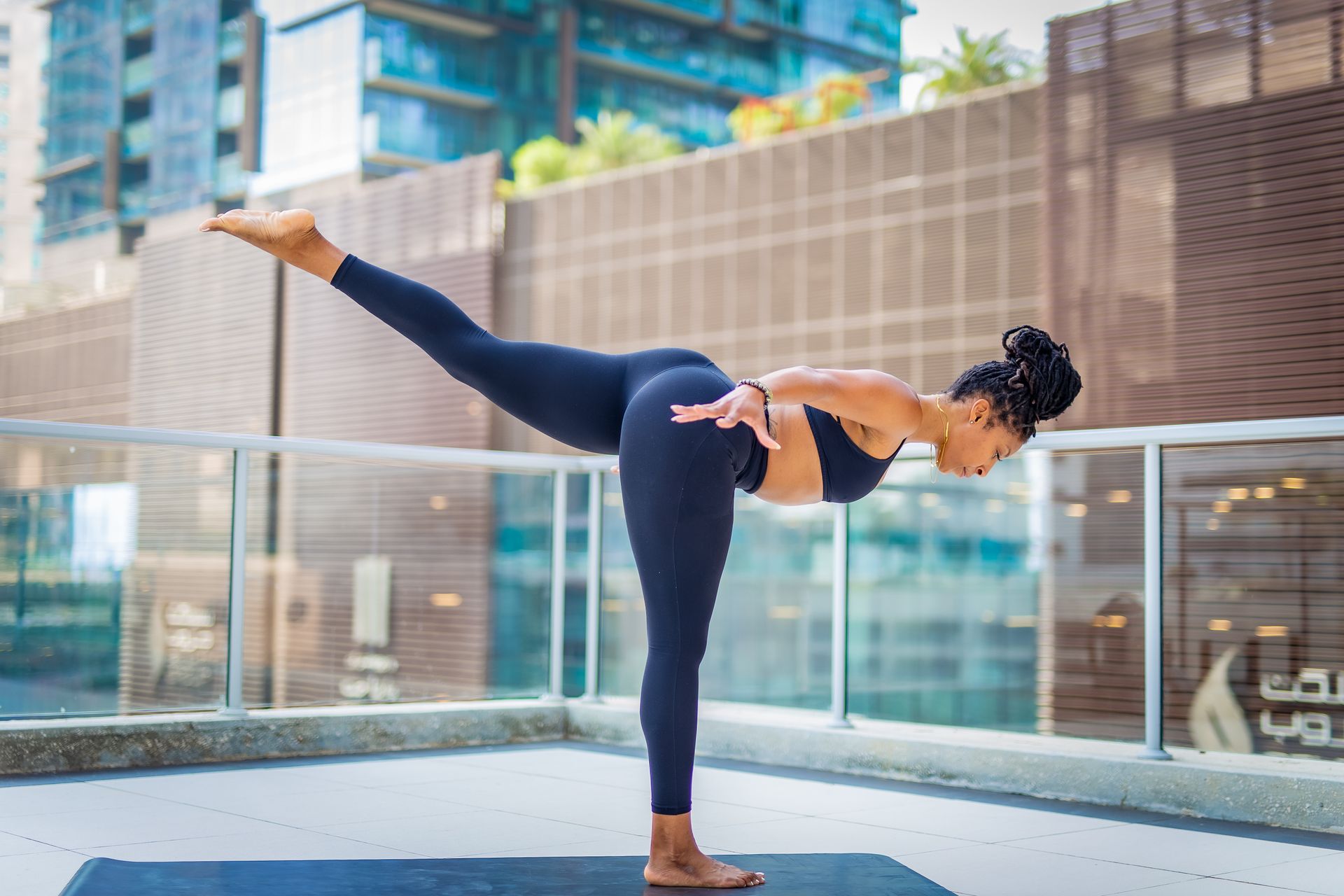
Fitness is often reduced to numbers. People track body weight, calories, steps, or workout times to measure progress. These figures can be useful, but they do not tell the whole story. Balance offers another way to understand physical ability. It reflects how well the body controls movement, responds to changes, and keeps the body stable during different tasks. Good balance is not limited to athletes or older adults. It supports walking, climbing stairs, lifting objects, changing direction, and many ordinary activities. Looking at balance alongside other fitness measures can provide a broader picture of physical function. A person can have a certain body weight and still have strong control, coordination, and stability.

Assessing Stability During Everyday Movement
Balance is involved in more activities than standing on one foot. Every step requires the body to shift weight and control the position of the feet, hips, trunk, and head. Walking across an uneven surface requires constant adjustments. Rising from a chair, reaching for an object, or turning quickly also depends on stability. These movements can reveal practical fitness more clearly than a scale. Weight does not show how effectively muscles work together during movement. Balance can also change with fatigue, footwear, surroundings, and concentration. That makes it a dynamic skill rather than a fixed personal trait. Testing simple movements under safe conditions can help someone notice changes in control and stability over time.
Building Strength Through Better Control
Strength and balance are closely connected. Muscles around the ankles, legs, hips, and core help keep the body positioned correctly. Strong muscles can make it easier to respond when the body begins to sway or when the ground changes unexpectedly. However, strength alone does not guarantee good balance. The nervous system must coordinate muscle activity at the right time. This is why exercises that combine strength with controlled movement can be useful. Squats, step-ups, controlled lunges, and single-leg exercises can challenge stability while developing muscular capacity. Balance training should match a person’s ability. Someone new to exercise can begin with supported movements before progressing to more demanding tasks. Quality of movement matters more than simply making an exercise difficult.
Improving Coordination and Body Awareness
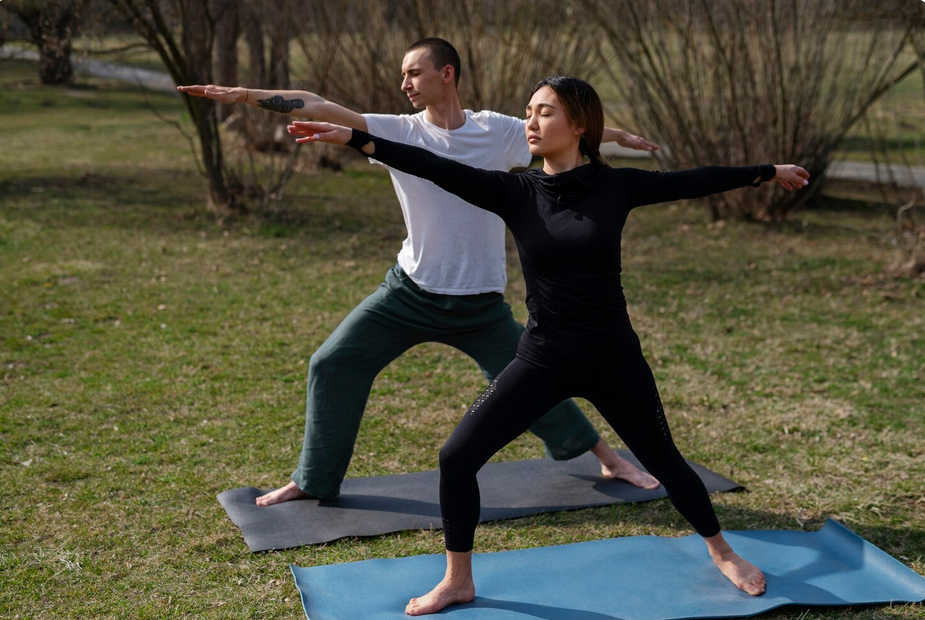
Balance also depends on coordination and body awareness. The brain receives information from the eyes, inner ear, muscles, joints, and skin. It uses these signals to understand where the body is positioned and how it is moving. When these systems work together, adjustments can happen quickly. Activities such as yoga, tai chi, dance, and controlled strength exercises can challenge these systems in different ways. Better body awareness may help people notice when their posture changes or when one side of the body is doing more work. This can be valuable during exercise and everyday movement. Balance training therefore involves more than strengthening a single muscle group. It develops the ability to organize several physical signals into coordinated action.
Maintaining Mobility as You Age
Balance becomes especially important as people get older. Changes in muscle strength, vision, reaction speed, joint function, and sensory information can affect stability. Regular physical activity can help maintain several of these abilities. Balance-focused exercise is commonly included in programs designed to support mobility and reduce fall risk among older adults. It should be performed at an appropriate level, with support available when necessary. Younger adults can also benefit because developing movement control early may support continued physical independence later. Balance does not stop mattering simply because someone is fit, strong, or at a healthy weight. It is a functional quality that can change with activity levels and life circumstances. Tracking it can encourage attention to abilities that a scale cannot measure.
Measuring Progress Beyond the Scale
Weight can provide useful information in certain health contexts, but it should not be treated as a complete measure of fitness. Balance adds a different perspective by showing how effectively the body controls itself during movement. Progress might appear as standing more steadily, recovering more easily from a small shift, or completing an exercise with better control. These improvements can be meaningful even when body weight stays unchanged. People can monitor balance through simple, repeatable exercises and note how stable and comfortable each movement feels. Safety should come first, especially with single-leg tasks or exercises performed near hard surfaces. If balance suddenly worsens, particularly alongside dizziness, weakness, numbness, or other concerning symptoms, medical advice is appropriate.
Fitness is multidimensional overall. Strength, endurance, mobility, coordination, and balance all contribute to physical capability. Paying attention to these qualities can create a more practical understanding of overall progress and help people focus on what their bodies can do, not only what the scale displays.…